Introduction
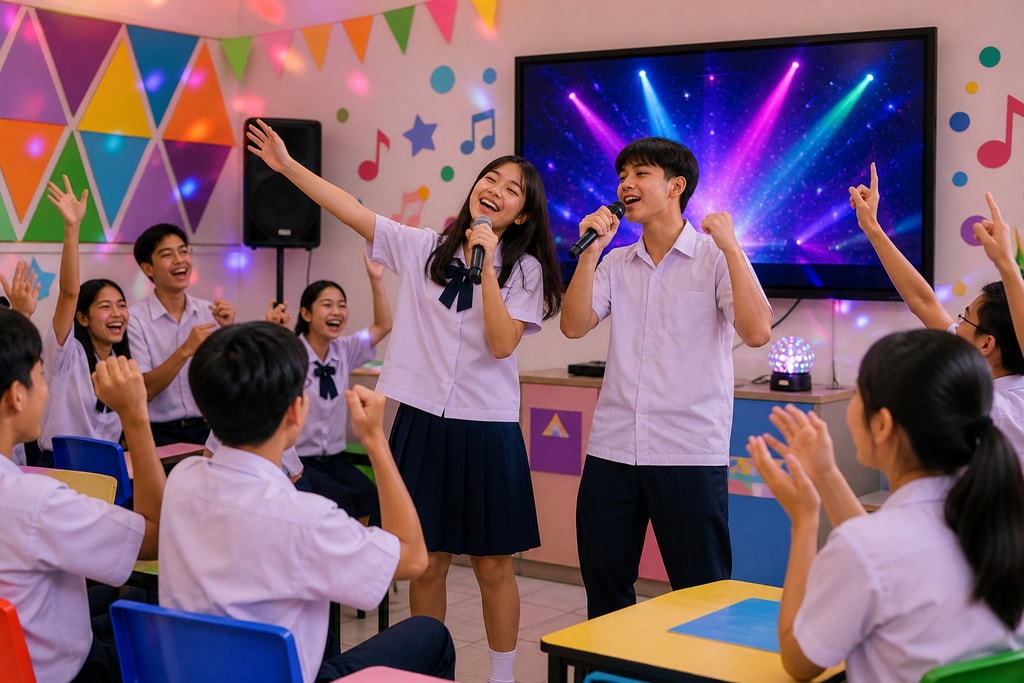
Incorporating music into education is not a new concept, but karaoke offers a fresh, dynamic approach to elevate classroom engagement. It combines music with active student participation, making learning more interactive and enjoyable. This guide delves into the transformative power of karaoke in educational settings, providing actionable insights and best practices for educators.
The Educational Benefits of Karaoke
Enhancing Student Engagement
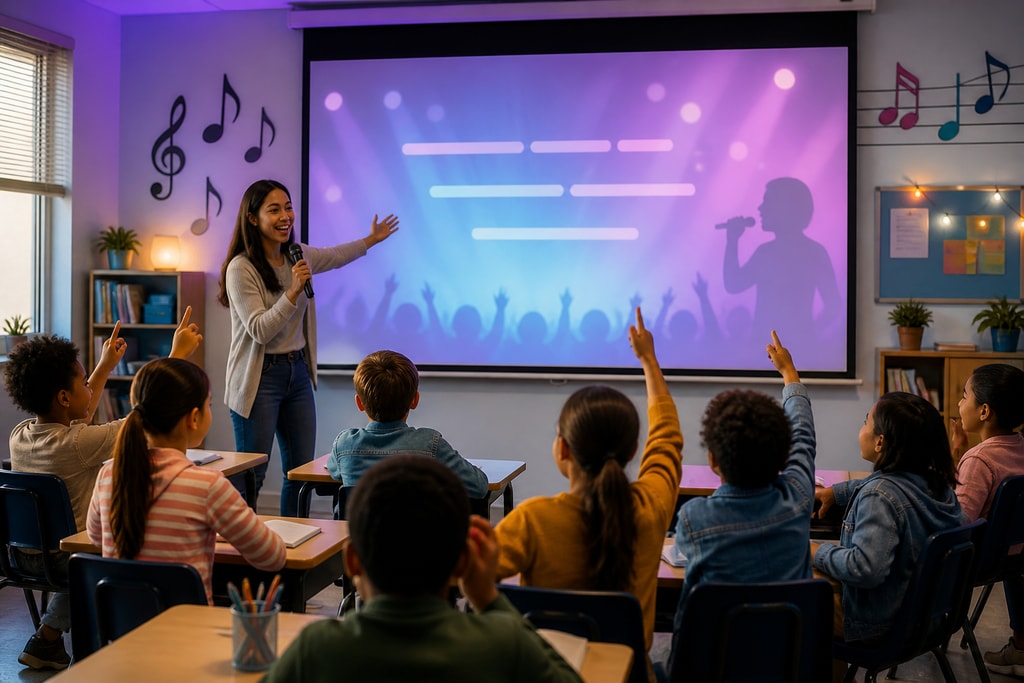
Karaoke fosters a lively classroom environment by encouraging active participation. Students naturally engage more when they are involved in singing, leading to increased motivation and attention levels. This active involvement can transform passive learning into a dynamic educational experience.
Improving Language Skills
Karaoke is extraordinarily effective for language learning. Singing improves pronunciation, intonation, and fluency in a natural and enjoyable manner. For language learners, this method offers a practical means to enhance speaking and listening skills, making the process both fun and effective.
Aiding Memory Retention
Music and memory are closely linked. By setting educational content to music, students can recall information more easily. This approach is particularly effective in subjects requiring memorization, such as vocabulary, historical facts, or scientific terms.
Implementing Karaoke in the Classroom
Selecting Appropriate Songs
Choosing the right songs is critical. Educators should ensure songs are age-appropriate, culturally sensitive, and relevant to lesson objectives. Songs should align with curriculum goals and have language complexity suitable for the students' proficiency levels.
Practical Example:
- Young Learners: Use nursery rhymes or simple songs to target basic language structures.
- Teens: Integrate popular music to discuss themes related to literature or social studies.
Integrating Karaoke with Lesson Plans
Karaoke can be woven into various subjects seamlessly:
- Language Arts: Enhance reading skills through lyrics.
- History: Use period-specific songs to bring history lessons to life.
- Science: Create lyrical content to explain complex scientific concepts.
Aligning karaoke with lesson objectives ensures educational value is maintained while keeping activities enjoyable.
Encouraging Student Participation
Creating an inclusive environment is key. Educators can encourage participation by:
- Allowing song choice input from students.
- Encouraging group performances to reduce individual pressure.
- Providing positive feedback to build confidence and inclusivity.
Mistakes to Avoid
- Avoiding overly complex songs that could discourage participation.
- Not considering cultural sensitivities or using inappropriate content.
- Neglecting curriculum alignment, which could reduce educational impact.
Tools for Creating Karaoke Content
KaraMagic: A Comprehensive Solution
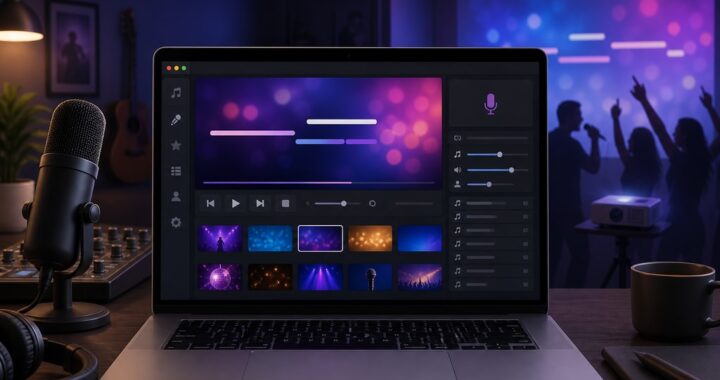
KaraMagic offers robust tools for creating karaoke and lyric videos:
- KaraMagic Free: Converts music videos into karaoke videos with vocal removal and lyrics transcription. Download KaraMagic Free
- KaraMagic Pro: Enhances the free version with advanced features like watermark-free exports and batch processing.
- LyricMagic Free & Pro: Ideal for creating YouTube-ready lyric videos with AI-driven accuracy.
All applications are designed for offline use on Apple Silicon Macs, ensuring privacy and no dependency on internet connectivity.
Other Notable Tools
- Vocalize: Offers an all-in-one ecosystem for creating, playing, and managing karaoke content. Learn more about Vocalize
- Moises: Turns any song into a custom backing track for karaoke-style performance, perfect for music education. Explore Moises
- Youka: Facilitates karaoke creation through AI, aiding in automatic vocal separation and lyric sync. Discover Youka
Decision Criteria for Choosing Tools
- Ease of Use: Ensure the tool is user-friendly for both educators and students.
- Features Needed: Match functionality (e.g., lyric editing) with classroom needs.
- Cost: Consider budget constraints and available resources in your institution.
Best Practices for Using Karaoke in Education
Ensuring Inclusivity
Promote a respectful and inclusive environment by being mindful of:
- Diverse learning styles.
- Language proficiency levels.
- Creating an atmosphere of support and encouragement.
Balancing Fun and Educational Content
Ensure karaoke aligns with educational goals. Incorporate activities that complement and enhance the lesson plan without losing sight of the primary learning objectives.
Monitoring and Assessing Progress
Gauge the effectiveness of karaoke activities through:
- Observing student engagement levels.
- Assessing language skill improvements.
- Gathering student feedback to refine future activities.
Frequently Asked Questions
Is karaoke suitable for all ages?
Yes, karaoke is adaptable across age groups with the right song selection and activity design. Tailor the approach to meet developmental and learning goals.
Do I need special equipment?
Basic equipment like a computer, speakers, and projector suffices. Tools like KaraMagic enhance the experience with specialized features.
How to assess karaoke effectiveness?
Evaluation can be done through observational assessments, language skill tests, and student feedback, highlighting both engagement and educational outcomes.
Conclusion
Karaoke in education transforms the classroom into an interactive learning environment. By selecting the right tools, like KaraMagic, aligning with educational objectives, and fostering inclusivity, educators can create enriching experiences that boost engagement, language skills, and memory retention.
For those eager to start, KaraMagic Free is an excellent entry-point for creating tailored karaoke content for your classroom needs.
Sources and Further Reading