Integrating karaoke into music education is not just an innovative approach—it's a transformative opportunity to engage students, enhance their learning experiences, and deepen their musical skills. By utilizing karaoke activities, educators can foster creativity, build confidence, and cultivate a love for music. This comprehensive guide delves into strategies, practical examples, and common pitfalls to avoid, all while aligning with curriculum standards.
The Educational Benefits of Karaoke
Karaoke is an extraordinary tool in the music educator's arsenal, offering extensive advantages:
- Engagement and Motivation: Karaoke naturally encourages participation and excitement, making students feel more connected to the material.
- Confidence Building: Performing in front of peers helps students develop self-assurance and refine performance skills.
- Language Development: Singing lyrics aids in vocabulary acquisition and language comprehension, especially beneficial for ESL students.
- Musical Skills: By practicing with karaoke, students can improve pitch, rhythm, and timing.
Practical Example: Confidence Building
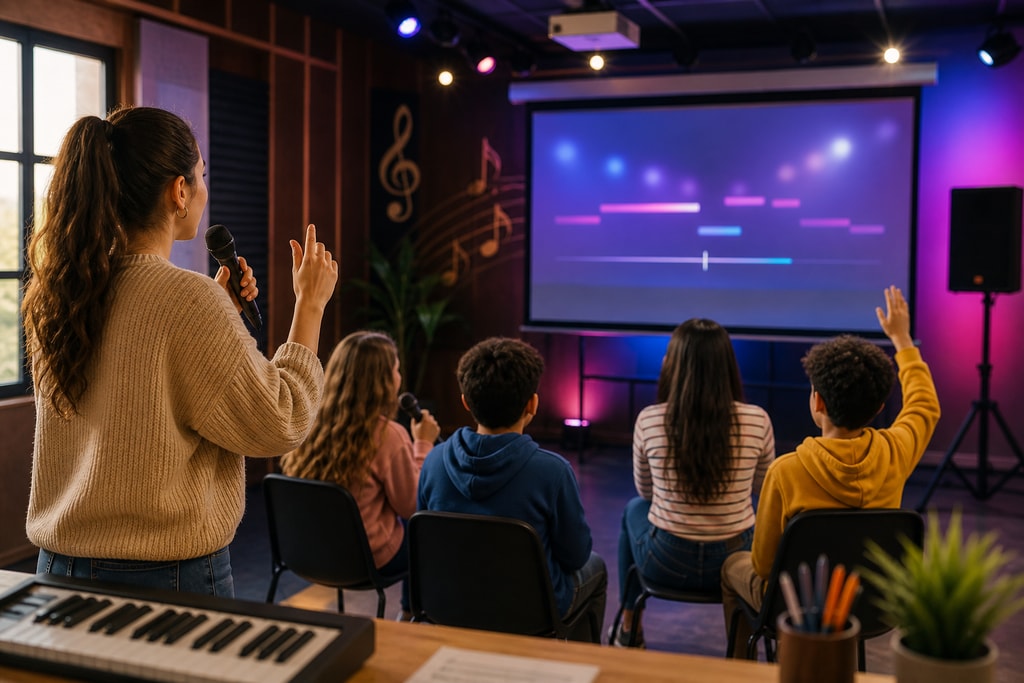
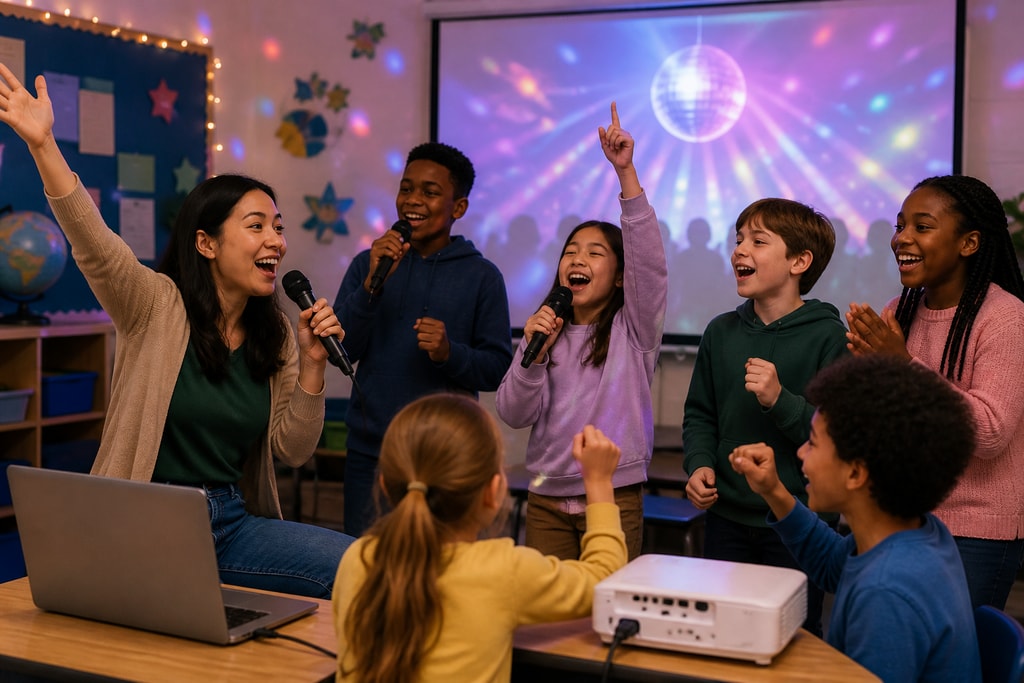
Consider a scenario where students perform a group karaoke rendition of a popular song. This activity not only encourages teamwork but also allows students to practice stage presence and vocal projection. Over time, shy students often become more confident, feeling proud of their progress.
Integrating Karaoke into Your Curriculum
Establishing a Karaoke Unit
Develop a structured karaoke unit aligned with your curriculum goals. Focus on key musical elements such as melody, harmony, and rhythm.
- Select Appropriate Songs: Choose songs with educational value that complement your learning objectives. Classics, folk songs, or current popular hits can offer diverse learning experiences.
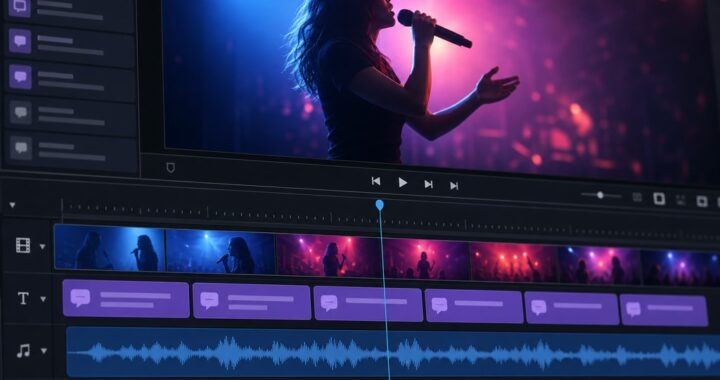
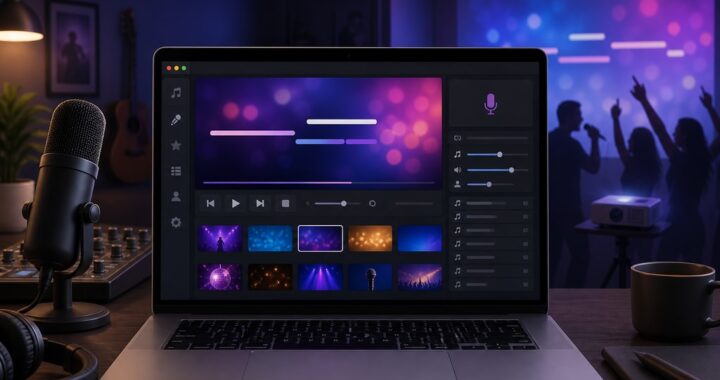
- Utilize Karaoke Software: Tools like KaraMagic Free allow you to create custom tracks that meet your class needs.
- Design Activities: Craft exercises that target musical skills such as tone matching and rhythm clapping to assess student progress.
Incorporating Technology
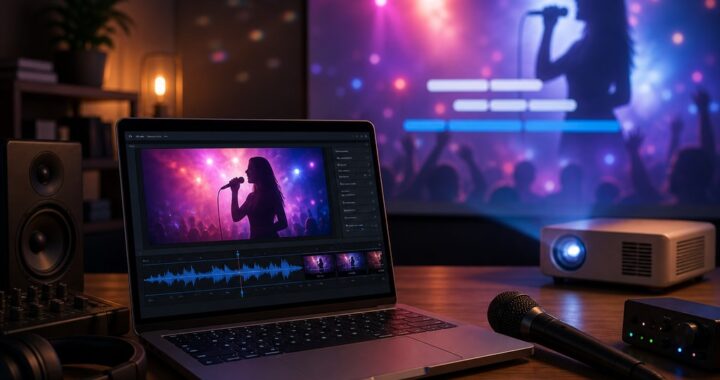
- Classroom Equipment: Ensure you have microphones, speakers, and a projector to create an immersive karaoke experience.
- Software Tools: Use apps like KaraMagic for seamless karaoke video creation, enriching both teaching and student engagement.
Best Practices for Effective Karaoke Sessions
- Warm-Up Exercises: Start with vocal warm-ups focusing on breathing techniques and scales to prepare students.
- Collaborative Projects: Organize group performances to build teamwork and stage collaboration skills.
- Feedback Sessions: Host regular feedback sessions where students can learn from each other's performances.
Mistakes to Avoid
Avoid relying solely on karaoke as a recreational activity. Ensure each session aligns with your educational objectives and offers measurable learning outcomes.
Checklist for Successful Karaoke Implementation
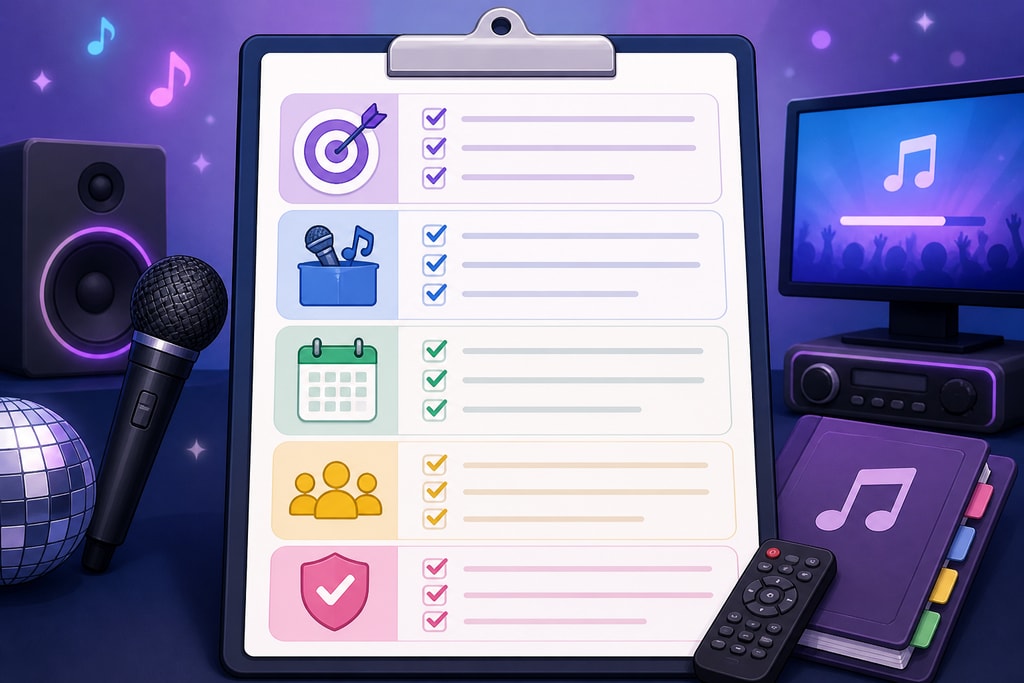
- Define Objectives: Clearly outline your goals for using karaoke in the classroom.
- Prepare Materials: Compile necessary resources, including a playlist of tracks and equipment.
- Schedule Sessions: Plan regular karaoke sessions to ensure consistent practice.
- Assess Progress: Use performance rubrics or recordings for assessment.
FAQs about Karaoke in Music Education
Is karaoke beneficial for younger students?
Yes, it engages younger students and enhances language skills and self-confidence through interactive learning.
What equipment is necessary for classroom karaoke?
Basic equipment includes a laptop, speakers, microphones, and reliable karaoke software like KaraMagic.
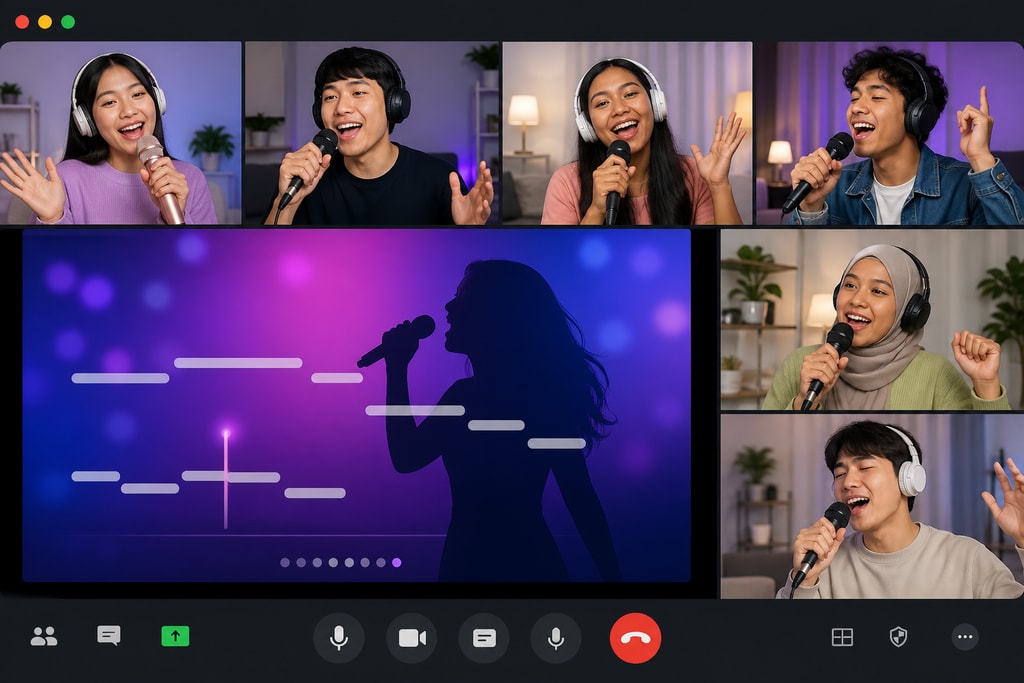
Can karaoke be used for online music classes?
Absolutely. Online platforms facilitate karaoke activities using shared screens and virtual performances. Check out KaraMagic Free for creating karaoke videos tailored for online teaching environments.
How to choose the right song for an educational karaoke session?
Choose songs that align with your lesson objectives, considering students' age, language abilities, and cultural relevance.
How can karaoke support non-music subjects?
Karaoke can enhance language classes, improve public speaking skills, and even support history lessons by singing period-specific songs.
Internal Links
- KaraMagic Free: Primary free-download CTA for karaoke video creation.
Sources and Further Reading
- American Music Therapy Association, American Music Therapy Association: Discusses the therapeutic benefits of music relevant to educational contexts.
- NAfME, National Association for Music Education: Offers insights into integrating music in education.
- Music in Education Resource, Music in Education: A comprehensive resource for integrating music into school curricula.
- Educational Technology Magazine, Educational Technology Magazine: Covers the effective use of technology in classrooms.
Incorporating karaoke into your classroom can significantly enrich your teaching methods. With tools like KaraMagic, you have the resources to create impactful music experiences. Try KaraMagic Free for an accessible way to begin incorporating karaoke into your educational toolkit.