Introduction
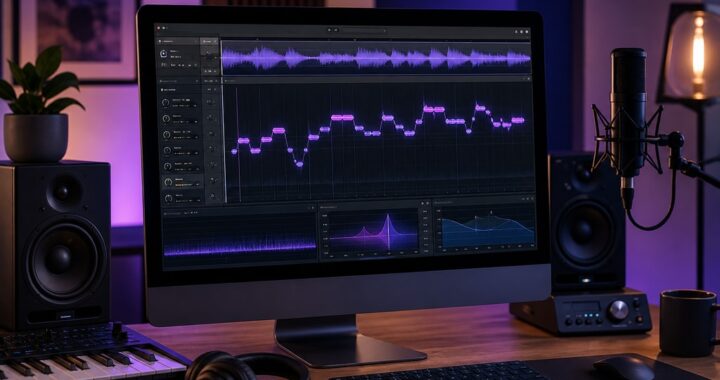
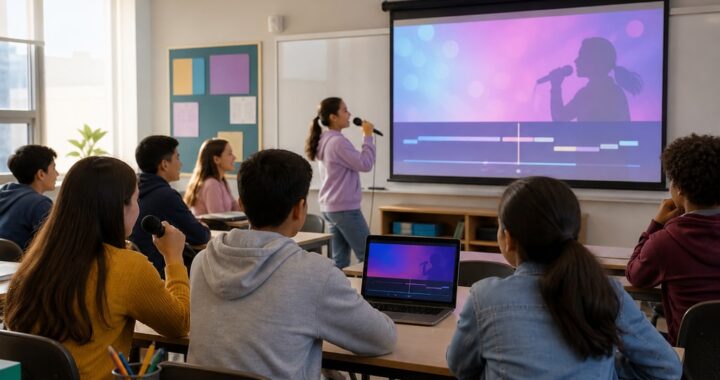
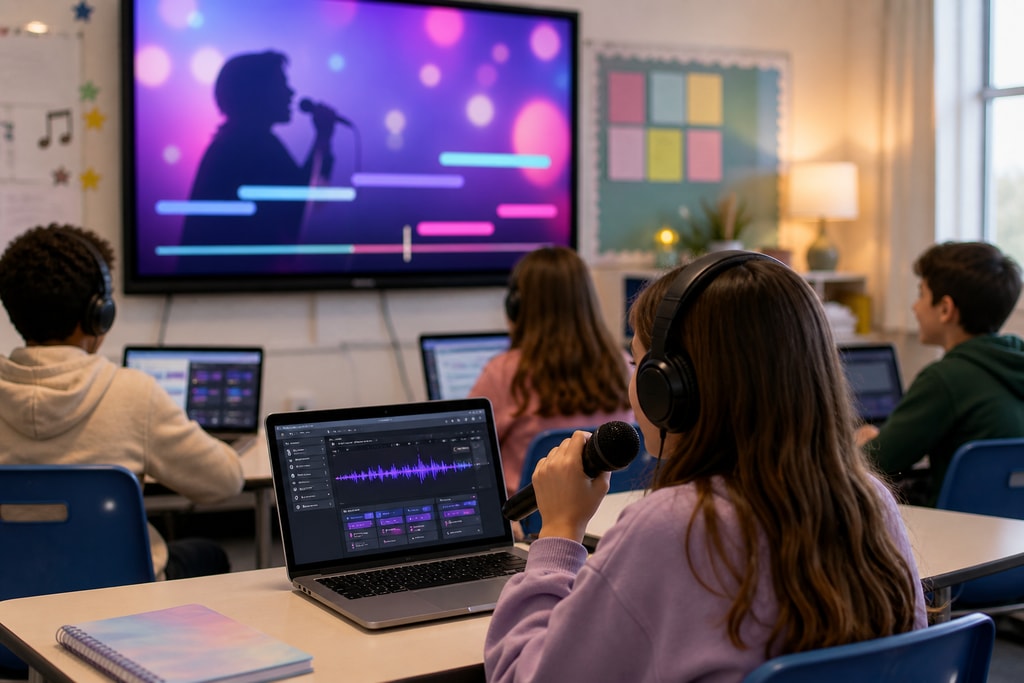
The integration of technology in education has opened new horizons, particularly in music education, where tools like karaoke introduce innovative teaching methodologies. These technologies transform traditional music lessons into interactive, enjoyable, and impactful learning experiences. This guide explores how educators can leverage karaoke tools, such as KaraMagic, to elevate music learning.
The Transformative Role of Karaoke in Music Education
Understanding Karaoke's Educational Value
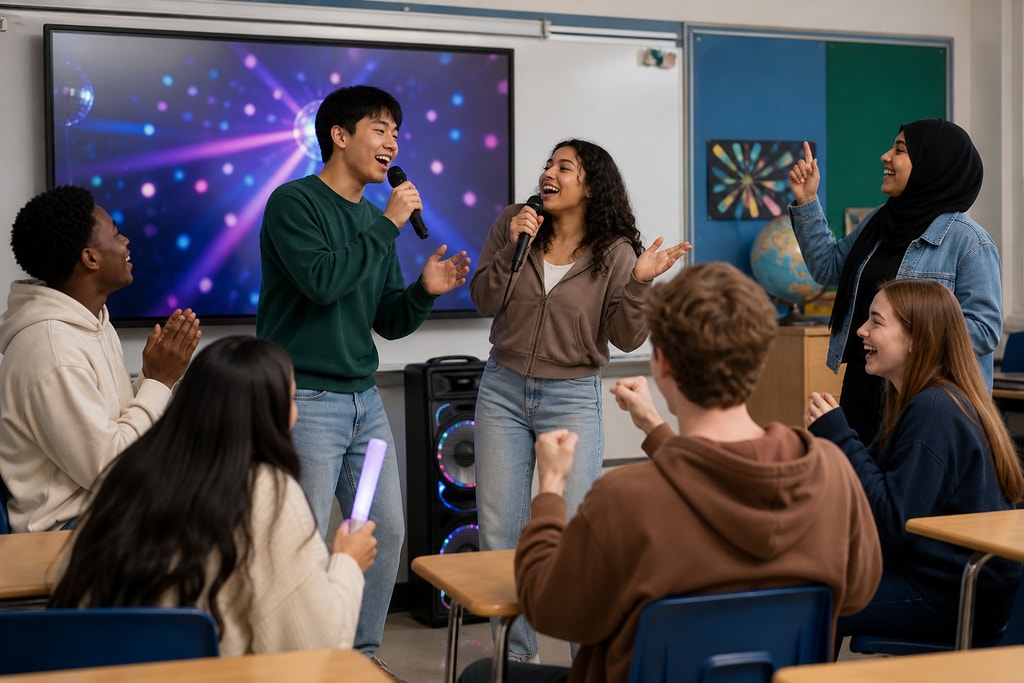
Traditionally seen as mere entertainment, karaoke has found its way into educational settings by allowing students to sing along with instrumental tracks. This practice develops essential skills such as vocal technique, musical timing, and self-confidence. Integrating karaoke into music education transforms learning processes, catering to various learning styles.
Practical Examples
- Vocal Coaching Sessions: Use karaoke to guide students through voice modulation and pitch correction.
- Rhythm Workshops: Engage students in exercises focusing on timing and rhythm using karaoke tracks.
- Confidence Building: Create a supportive environment where students can perform solo or in groups, fostering confidence.
Mistakes to Avoid
- Song Selection: Ensure songs are age-appropriate and cater to your students' skill levels.
- Technology Overload: Balance technology use to avoid overwhelming students.
Introducing KaraMagic: A Cutting-Edge Tool for Educators
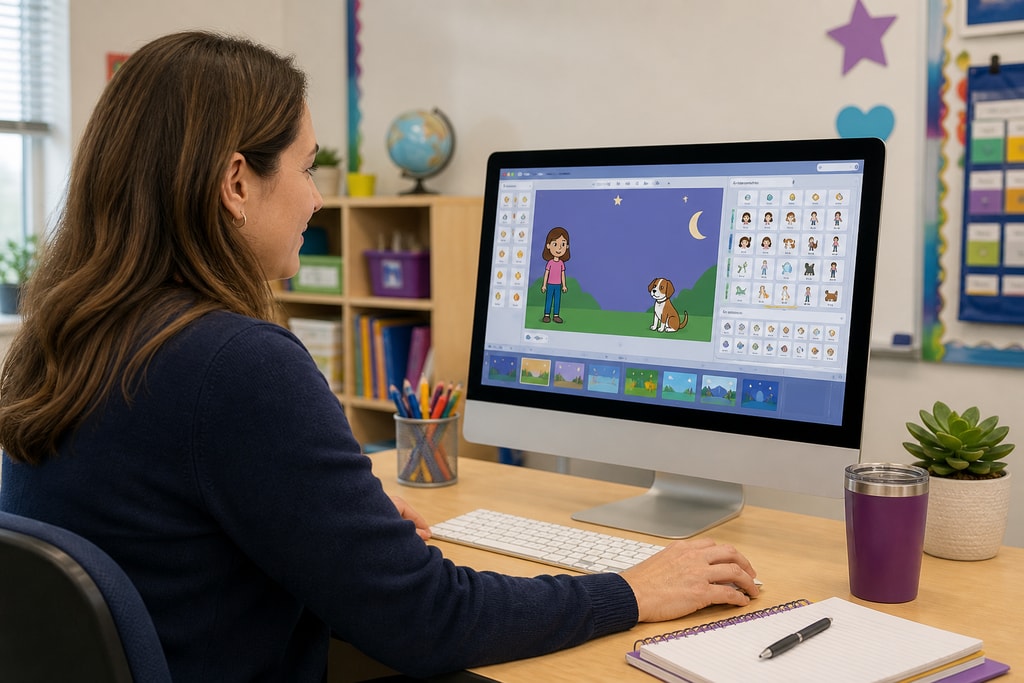
KaraMagic is a suite of Mac desktop applications designed for creating karaoke and lyric videos. It operates offline, ensuring privacy and accessibility. Here are the highlights of KaraMagic's product lineup:
- KaraMagic Free: Transforms music and audio files into karaoke videos with AI-driven vocal removal and auto-transcribed lyrics.
- KaraMagic Pro: Offers advanced features like watermark-free exports, lyric editing, and customizable visuals.
- LyricMagic Free: Converts audio files into lyric videos optimized for YouTube.
- LyricMagic Pro: Enhances the Free version with customizable backgrounds and batch processing.
These applications, optimized for Apple Silicon Macs, offer educators the tools to craft personalized learning experiences that captivate and inspire.
Benefits of Using KaraMagic in the Classroom
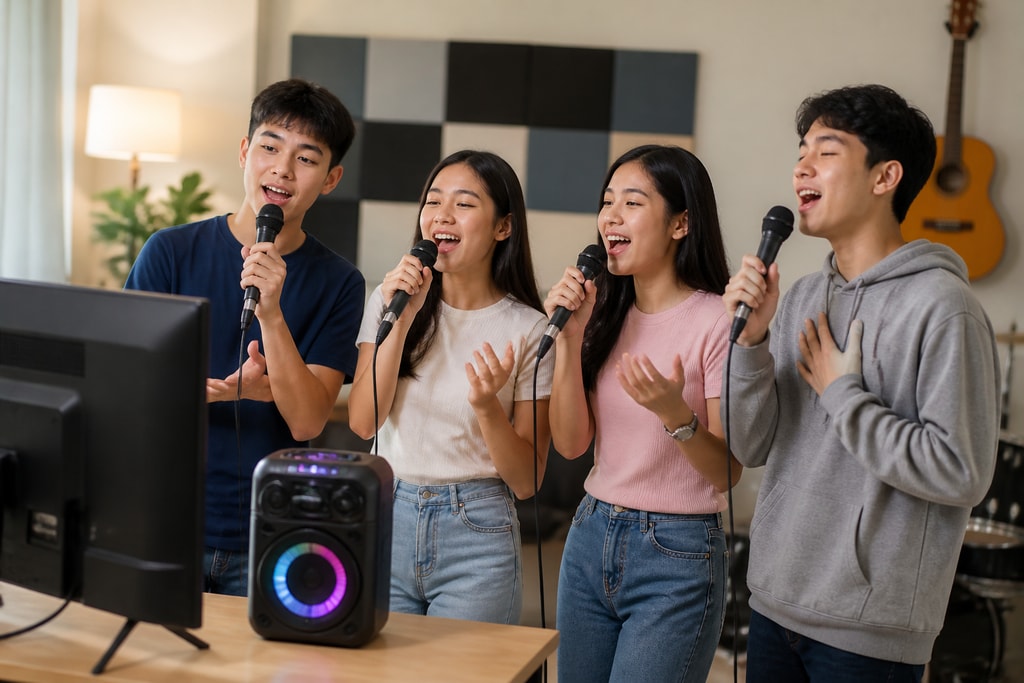
1. Boosting Student Engagement
Interactive tools like KaraMagic make music lessons exciting. By allowing students to perform their favorite songs, educators can foster a deeper love for music and an eagerness to participate.
Case Study
A middle school music teacher used KaraMagic to host a monthly karaoke night. Attendance and participation increased, with students voicing more interest in choir and band.
2. Improving Vocal Skills
KaraMagic enables the practice of pitch, tone, and timing. Educators can create tracks that support vocal exercises, enhancing students' musical abilities.
3. Ensuring Accessibility and Inclusivity
KaraMagic works offline, allowing all students access regardless of internet availability. This inclusivity is crucial in diverse learning environments.
4. Customizing Learning Materials
Educators can tailor karaoke tracks to fit lesson plans, specific genres, or preferences, making lessons more relevant and engaging.
Implementing KaraMagic in Music Lessons
Step 1: Selecting Appropriate Songs
Choose songs that align with lesson goals and student skill levels. Incorporate various genres to broaden musical exposure.
Step 2: Creating Karaoke Tracks
Use KaraMagic to transform selected songs into karaoke tracks. The platform's AI capabilities make this process user-friendly and efficient.
Step 3: Designing Interactive Activities
Incorporate karaoke tracks into activities like:
- Sing-Along Sessions: Practice vocal techniques with an interactive element.
- Lyric Exploration: Discuss themes, vocabulary, and songwriting methods using the lyrics.
- Performance Practice: Prepare students for performances with realistic karaoke simulations.
Step 4: Assessing Student Progress
Utilize karaoke sessions for assessments. Measure vocal ability, rhythm comprehension, and overall musicality, providing constructive feedback.
Checklist for Integrating Karaoke Tools
- [ ] Define lesson objectives that benefit from karaoke activities.
- [ ] Select song choices that align with objectives and suitability.
- [ ] Use KaraMagic for creating custom karaoke tracks.
- [ ] Plan interactive lessons integrating these tracks.
- [ ] Assess engagement and musical progress.
- [ ] Collect feedback to enhance future lessons.
Frequently Asked Questions (FAQ)
Q: Is KaraMagic suitable for a wide age range?
A: Yes, songs can be selected based on age and skill level, making it versatile across age groups.
Q: Do I need continuous internet access for KaraMagic?
A: No, KaraMagic functions offline, ensuring privacy and accessibility.
Q: How can I edit lyrics in my projects?
A: KaraMagic Pro provides lyric editing options, allowing customization to suit educational needs.
Q: Are there any costs involved in using KaraMagic?
A: KaraMagic offers free and paid versions, with the latter providing advanced features for a one-time fee.
Q: Can students use KaraMagic for self-study?
A: Yes, educators can create and assign karaoke tracks for self-practice, enhancing student learning outside the classroom.
Conclusion
Karaoke tools like KaraMagic revolutionize music education by enhancing student engagement, vocal skills, and learning outcomes. By incorporating KaraMagic into their teaching practices, educators can craft personalized lessons that resonate with diverse student needs and learning styles. For more information and to explore KaraMagic's offerings, visit the KaraMagic homepage.
Sources and Further Reading
- KaraMagic Homepage
- KaraMagic Free
- Using Technology to Support Creativity in Music Education
- The Role of Digital Tools in Modern Music Education – NAfME
- Best AI Tools for Music Education – Songscription AI
- Classroom Karaoke: How to Use Technology to Inspire Talented MUS-ED Students
Explore more about how tools like KaraMagic facilitate creating engaging and effective music learning environments, fostering a deep appreciation for music among students.