Introduction
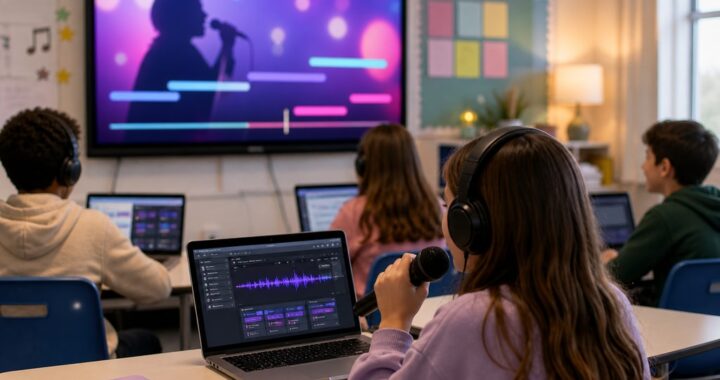
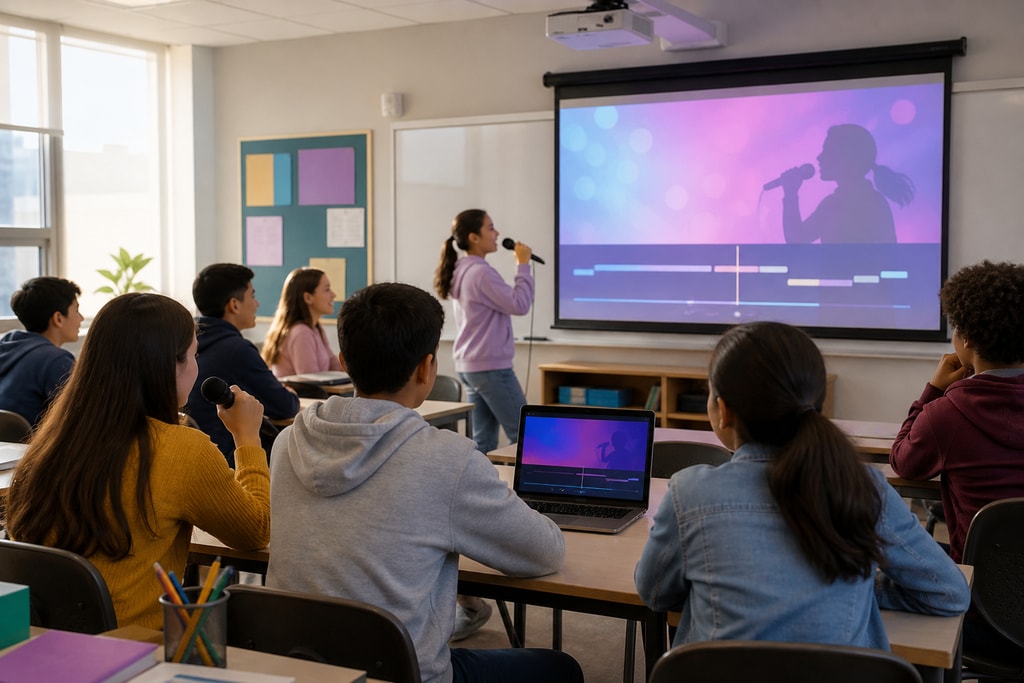
In today's dynamic educational landscape, engaging students requires creative methodologies. Music educators increasingly leverage karaoke software as a multifaceted tool to enhance classroom engagement and support various learning objectives. By integrating karaoke into lessons, teachers can create interactive, student-centered learning experiences that foster both language and music skills.
The Educational Benefits of Karaoke Software
Karaoke software is not just for entertainment; it offers significant educational advantages across various subjects. This section explores those benefits.
Enhancing Language Acquisition
Karaoke can be instrumental in language learning. By singing along to lyrics, students enhance their pronunciation and vocabulary.
- Pronunciation Practice: Students see lyrics in real-time, mimicking correct pronunciation, which supports phonological awareness. Educators can select songs that focus on specific sounds or linguistic patterns.
- Vocabulary Growth: Exposure to new words in context aids retention, as students often remember phrases from songs more easily than isolated words. Implementing themed playlists aligned with the curriculum can deepen understanding of vocabulary.
Practical Example
In a Spanish class, using karaoke with popular Spanish songs can help students develop an ear for the language's rhythm and intonation.
Improving Musical Skills
Music classes benefit greatly from karaoke software as it supports several aspects of musical development:
- Pitch Recognition: Students develop their ear for pitch and tone by matching their voices to the original track.
- Rhythm and Timing: Singing along improves their sense of rhythm. Advanced features in KaraMagic Pro allow educators to adjust tempo, helping students master challenging sections gradually.
Practical Example
Encourage students to lead a session by selecting and performing a song, thus practicing their leadership and performance skills.
Supporting Emotional and Social Development
Karaoke also paves the way for social bonding and emotional expression:
- Confidence Building: Performing in front of peers can enhance students’ self-esteem.
- Collaboration: Group performances encourage teamwork and mutual support.
Practical Uses in the Classroom
Interactive Music Lessons
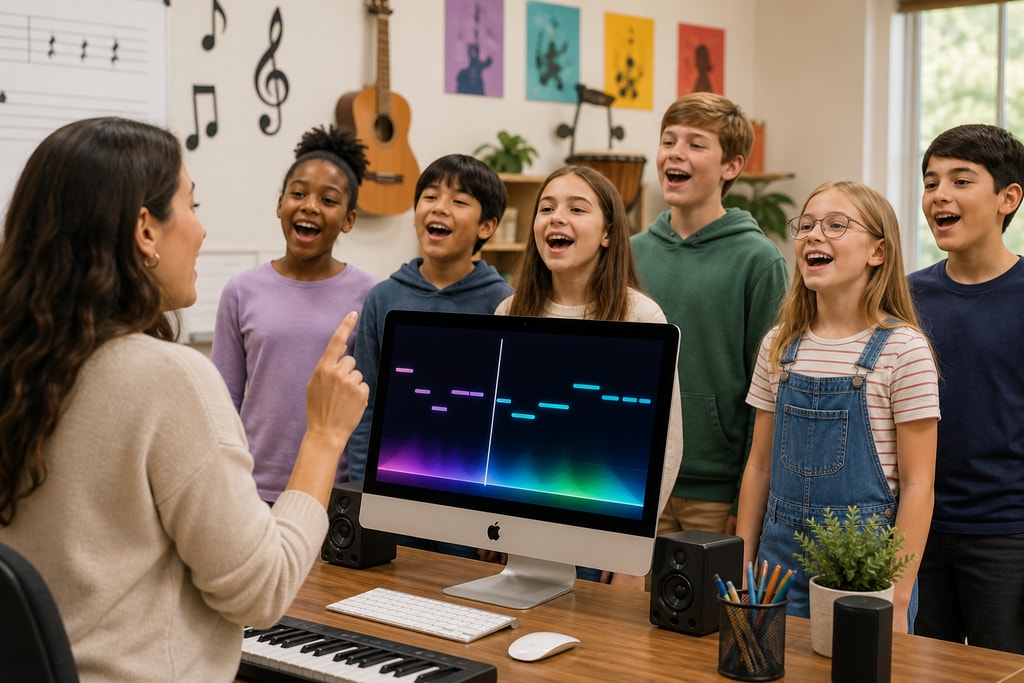
Integrating karaoke into music lessons creates a lively and interactive environment. Teachers can:
- Use KaraMagic Free to create customized tracks that highlight specific musical skills.
- Develop songwriting sessions where students write lyrics, fostering creativity and collaboration.
Language Learning Classes
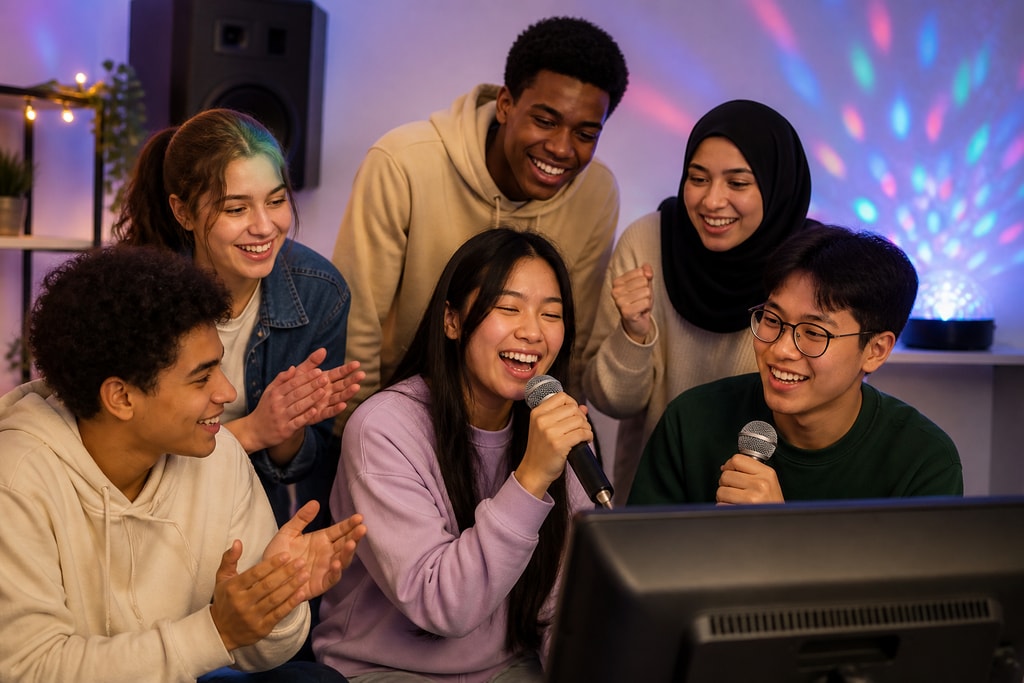
In language classes, karaoke enhances engagement by providing context to language learning:
- Choose songs in the target language, offering cultural insights alongside language exposure.
- Conduct singing competitions or performances as assessments to evaluate pronunciation and fluency.
Implementing Karaoke in Lessons
A Checklist for Educators
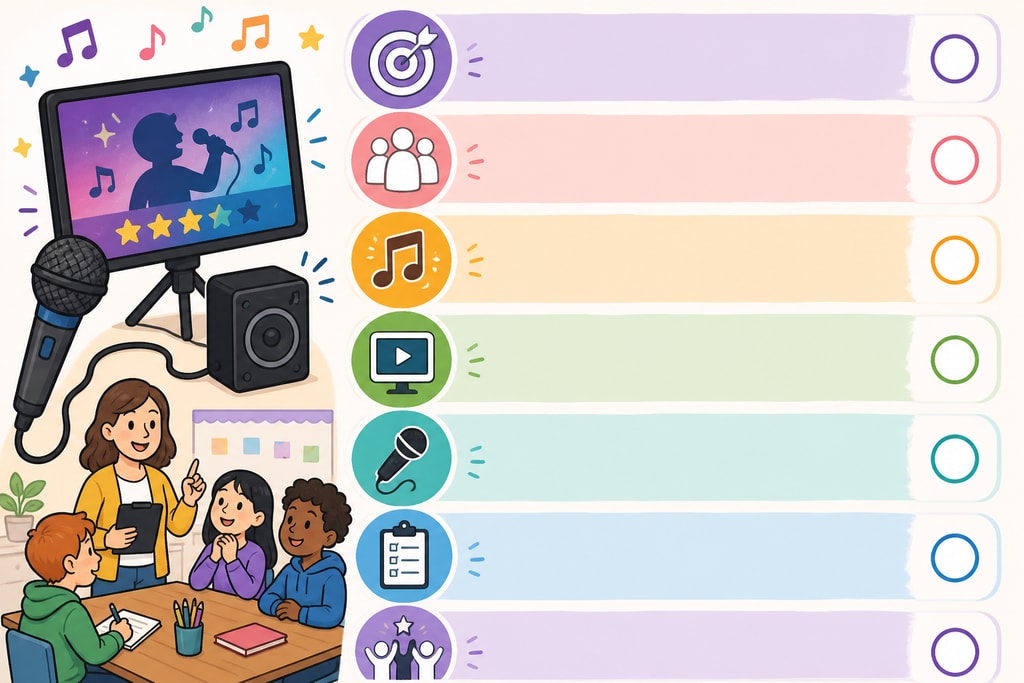
- Select Appropriate Songs: Match songs to the curriculum and student level. Consider cultural relevance and student interest.
- Prepare the Software: Utilize KaraMagic Free for DIY karaoke videos. Ensure the software is easy to navigate for both educators and students.
- Plan Interactive Activities: Consider group performances or individual assessments tailored to lesson objectives.
- Evaluate and Reflect: Encourage feedback from students to refine the approach, using surveys or group discussions.
Mistakes to Avoid
- Choosing songs with complex language or unsuitable content without verifying compatibility with students' proficiency levels.
- Failing to test software setup in advance, which could lead to technical issues during lessons.
Case Studies
- Elementary School: Teachers reported a 25% increase in student participation when using karaoke for spelling lessons, highlighting the motivational impact on reading skills.
- High School Language Course: Students demonstrated improved listening skills by 30% when songs were incorporated into the curriculum, indicating enhanced engagement and comprehension.
Technology Integration
Utilizing KaraMagic's Features for Effective Use
KaraMagic offers offline AI-powered tools that suit school environments by ensuring privacy and reducing reliance on internet access. This is advantageous where connectivity is unreliable.
For more advanced features beyond the free version, such as watermark-free exports and lyric editing, consider KaraMagic Pro.
Internal Link Suggestions
- Visit the KaraMagic homepage for additional resources and tutorials.
- Explore KaraMagic Free to start integrating karaoke software into your lessons.
Frequently Asked Questions
Can karaoke software be used for remote learning?
Absolutely. Software like KaraMagic works offline, perfect for students who may not have reliable internet at home. This flexibility allows for seamless integration whether teaching in-person or remotely.
How expensive is it to integrate karaoke into the classroom?
Starting with KaraMagic Free is cost-effective, with options to upgrade to more feature-rich versions as needed. This allows schools to scale their investment according to budget restrictions.
Are there any copyright concerns?
KaraMagic helps mitigate legal risks by allowing you to create custom, school-appropriate content. Ensure usage aligns with local copyright laws by using royalty-free tracks or obtaining necessary permissions.
What training do teachers need?
Minimal training is required, as most karaoke software is user-friendly. However, introductory workshops or online tutorials can help teachers maximize the software's potential.
Conclusion
Karaoke software like KaraMagic is a versatile tool that fosters a vibrant classroom environment, helping students enhance language and musical skills. By incorporating karaoke into lessons, educators can sustain engagement and offer varied learning experiences. It empowers students to express themselves and learn in an entertaining, interactive way.
For more on how KaraMagic can transform your teaching methods, visit the KaraMagic homepage.
Sources and Further Reading
- Using Music for Language Development — Reading Rockets
- The Benefits of Music Education — Edutopia
- Karaoke as a Learning Tool — Scholars